
A geological survey drilling rig is the backbone of any geotechnical investigation project. Whether you are conducting mineral exploration, geotechnical site assessment, water well drilling, or environmental sampling, your rig's reliability directly determines project timelines, sample quality, and bottom-line profitability. Yet many operators treat maintenance as an afterthought — until a breakdown halts the entire job site.
Proper maintenance is not just about fixing what is broken. It is a systematic discipline that protects your capital investment, extends component life, and prevents costly field failures. Below is a practical, field-tested maintenance guide for geotechnical survey rigs.
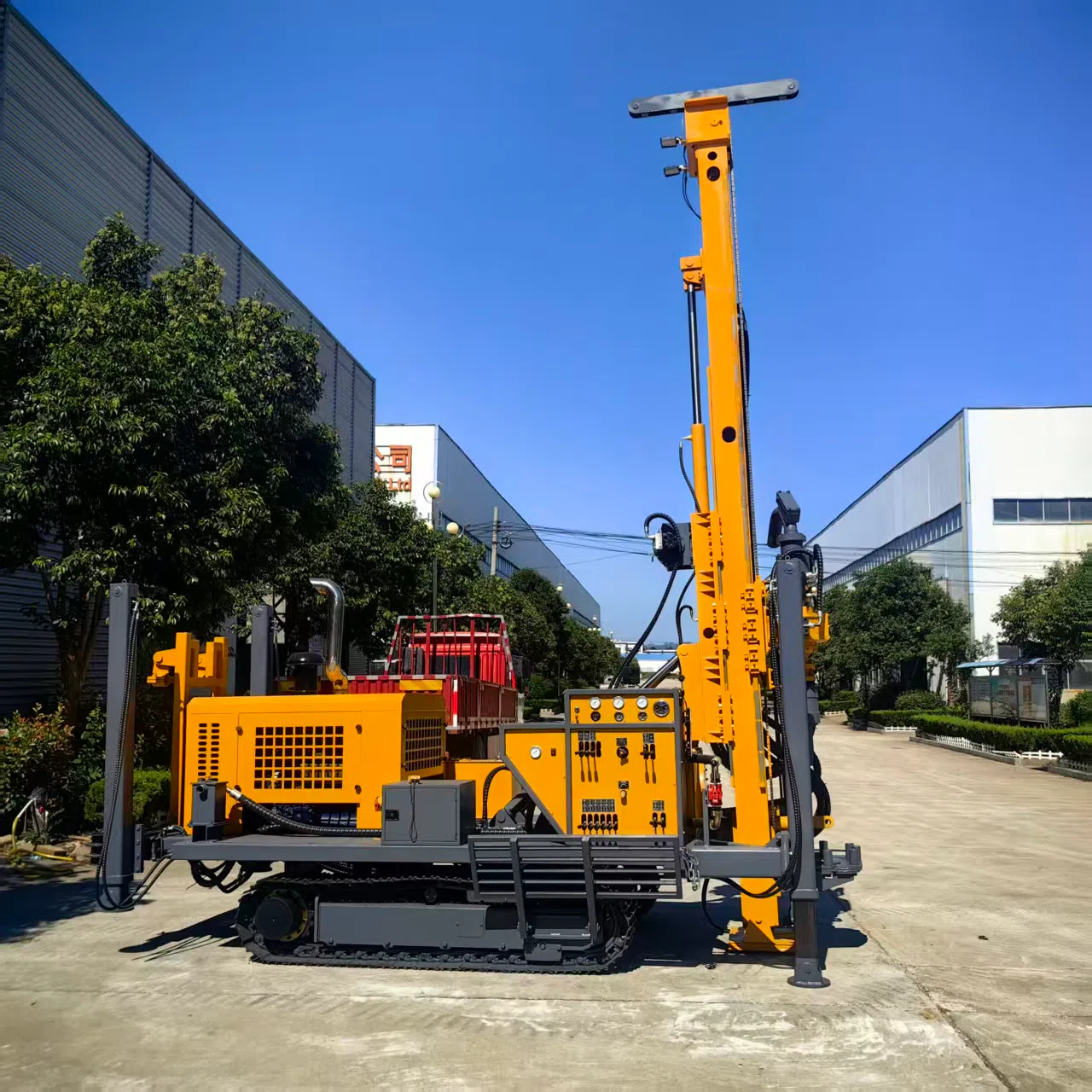
1. Conduct Regular Inspections of All Critical Components
Before and after every shift, perform a thorough walk-around inspection of the entire rig. Key components to check include:
- Drill bit and drilling tools: Inspect the bit teeth, core barrel, drill rods, and casing for wear, cracking, or deformation. A worn drill bit reduces penetration rate, compromises core recovery, and can damage the wireline system. Replace severely worn parts immediately — never push a bit beyond its service life.
- Lubrication system: Check oil levels, filter condition, and oil lines for leaks or blockages. Low lubrication is the leading cause of premature bearing and gear failure.
- Electrical system: Inspect wiring harnesses, connectors, contactors, and control panels for corrosion, loose connections, or insulation damage. Moisture and mud are constant threats in the field — keep electrical enclosures sealed and dry.
- Hydraulic system: Monitor hydraulic fluid level and temperature, check hoses and fittings for leaks or abrasion, and listen for unusual pump noise. Hydraulic contamination can destroy pumps and valves within hours.
- Engine / power unit: Check oil, coolant, fuel, and air filter status. Clean or replace filters per the manufacturer's schedule.
- Mast, feed frame, and winch: Look for structural cracks, loose bolts, and abnormal cable wear. The mast carries enormous dynamic loads — any structural defect is a safety hazard.
Tip: Keep a printed inspection checklist inside the rig cab and sign it off every shift. This creates accountability and a maintenance history trail.
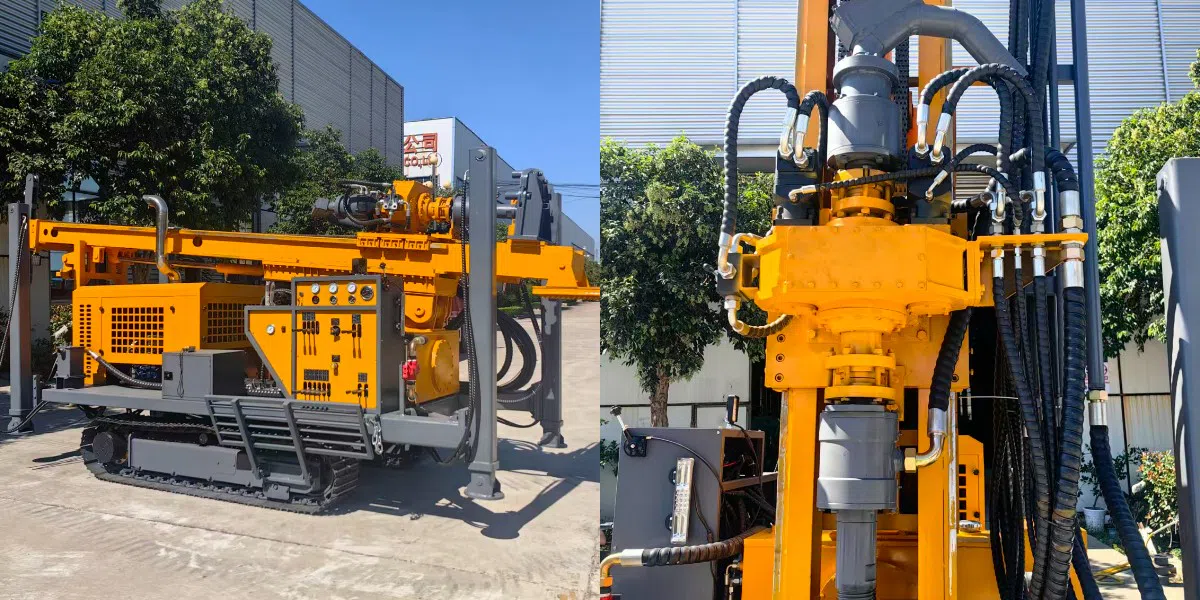
2. Keep the Rig Clean — Inside and Out
Fieldwork exposes your rig to mud, sand, drilling fluid dust, slurry, and debris. What looks like ordinary dirt is actually an abrasive compound that accelerates wear on every moving surface.
- Pressure-wash after each project: Remove built-up mud and cuttings from the mast, rotary head, feed frame, chassis, and undercarriage. Pay special attention to areas where debris accumulates — around wireline winches, hydraulic cylinder rods, and pivot points.
- Protect exposed surfaces: Wipe down polished rods (hydraulic cylinder rods, spindle rods) after washing. Water spots left on chrome surfaces can cause pitting and seal damage.
- Clean air intake areas: Mud and dust clogging the engine air filter and radiator will cause overheating and power loss. Blow out radiators with compressed air when possible.
- Keep the operator cabin clean: A clean workspace improves focus and prevents small parts (fuses, wrenches, gauges) from being lost or damaged.
- Grease zerks after washing: Water often washes away existing grease during cleaning — re-lubricate all fittings immediately after washing.
A clean rig also makes inspection easier: cracks, leaks, and loose parts are far more visible on a clean surface than under a layer of mud.
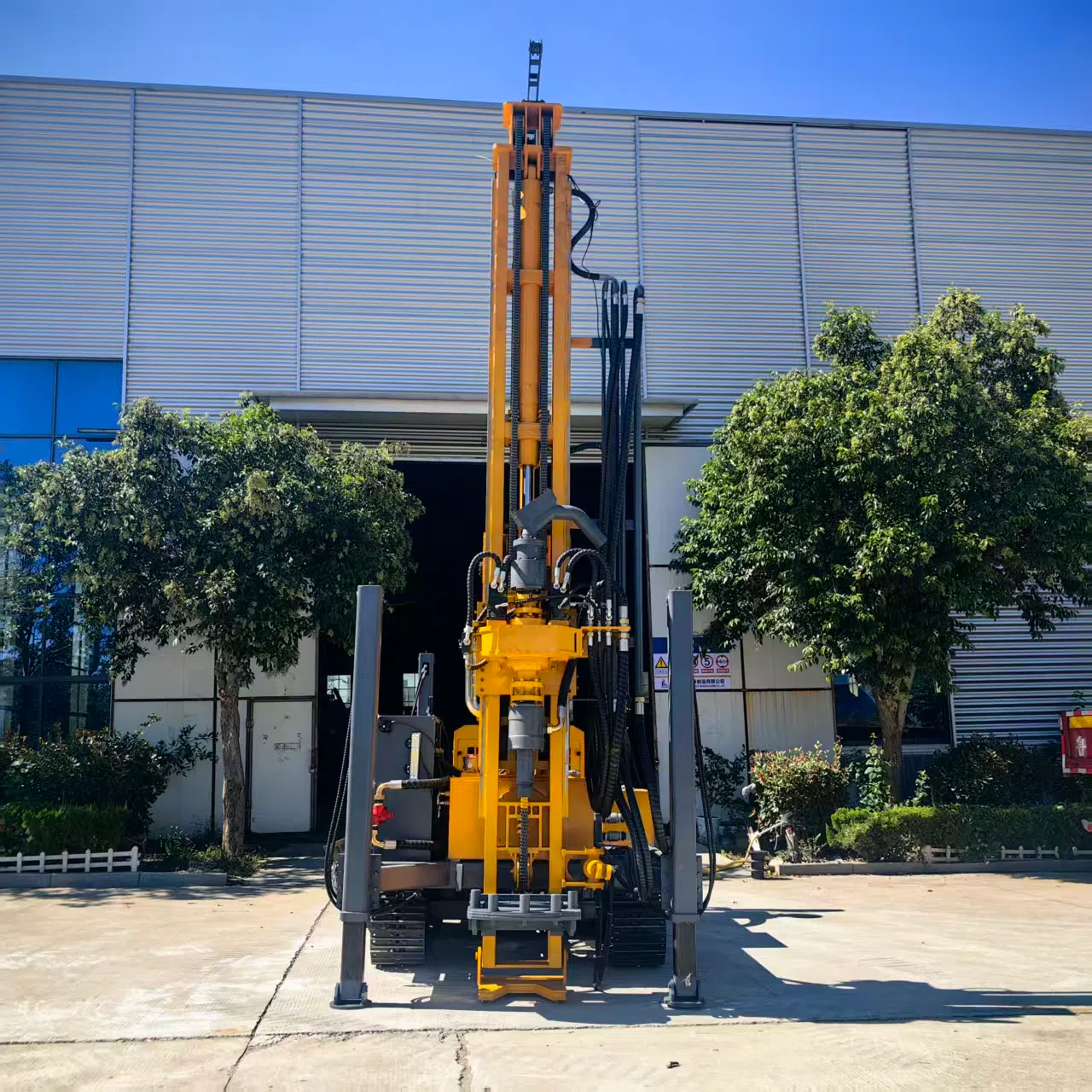
3. Prioritize a Rigorous Lubrication Schedule
Lubrication is the single most cost-effective maintenance practice you can adopt. A few dollars of grease prevents thousands in premature component failure.
- Follow the manufacturer's lubrication chart: Every rig comes with a specified lubrication schedule — grease points, oil types, and intervals. Do not deviate from it without engineering approval.
- Grease all fittings on schedule: Mast pivots, crown sheave bearings, rotary head bearings, winch shafts, and hinge points all need regular grease. Use the correct NLGI grade and ensure grease actually exits the seals (a dry fitting means the passage is blocked).
- Monitor hydraulic oil quality: Test hydraulic oil annually (or every 1,000 operating hours) for contamination, water content, and viscosity. Replace oil and filters at recommended intervals. Contaminated hydraulic oil silently destroys pumps, valves, and cylinders.
- Check gearbox oil levels: The rotary head gearbox and winch gearbox hold significant oil. Low oil leads to overheating and gear scoring. Change gearbox oil per the service manual.
- Use the right lubricant: Different climates and applications require different oil weights.


